The ScienceJuly 20266 min read
When to plunge: cold timing for recovery, mood, and muscle
Cold is a stimulus with a clock on it. Why post-workout ice baths can blunt strength gains, when morning cold makes sense, and how to slot the plunge into a training week.

Deliberate cold rode the sauna wave into the mainstream, and it earns its place — the winter-swimmer research on brown fat and thermogenesis is genuinely interesting. But cold is a blunt instrument with timing effects the enthusiasm tends to skip. Here's how to schedule it so it works with your training instead of against it.
The hypertrophy caveat
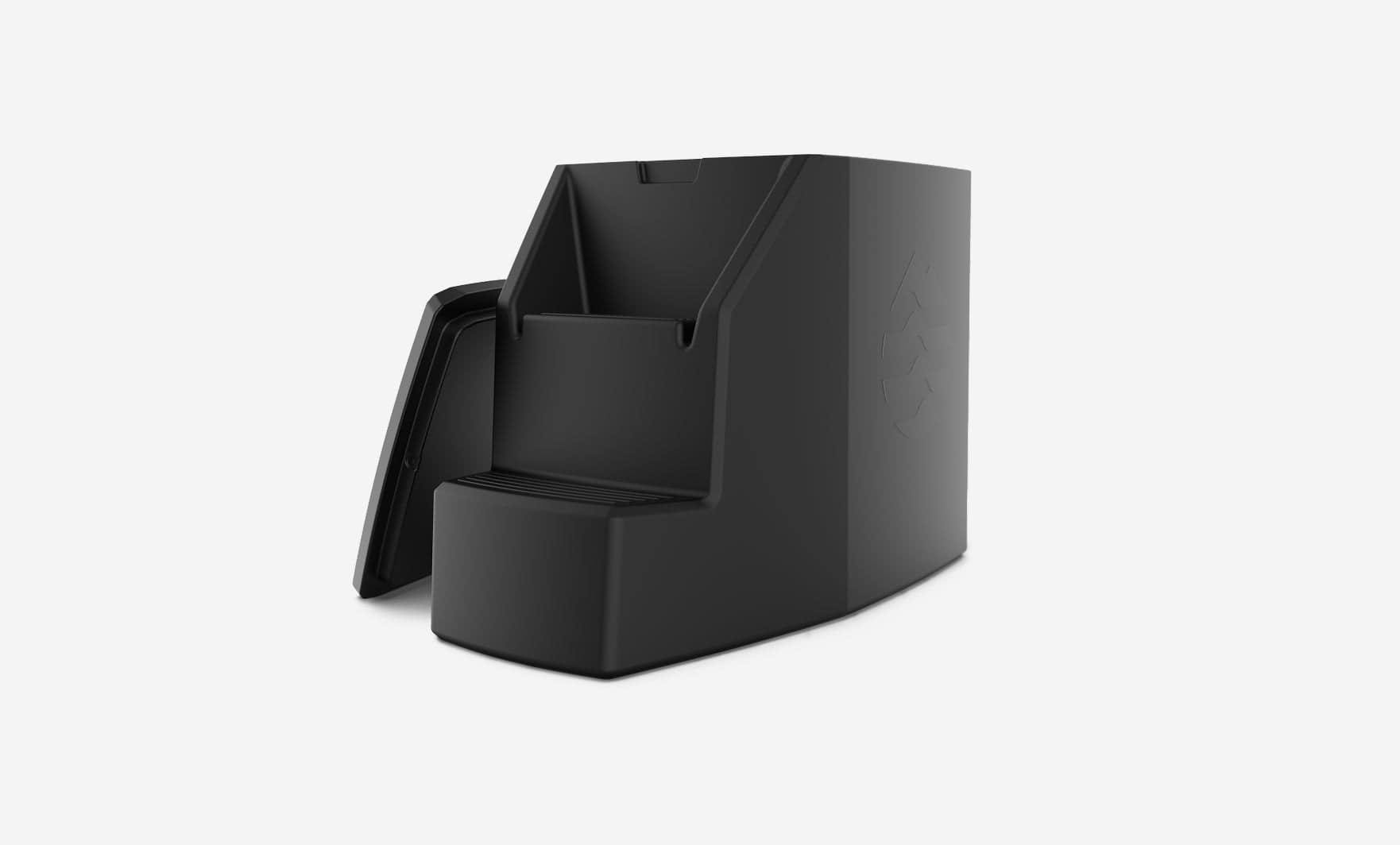
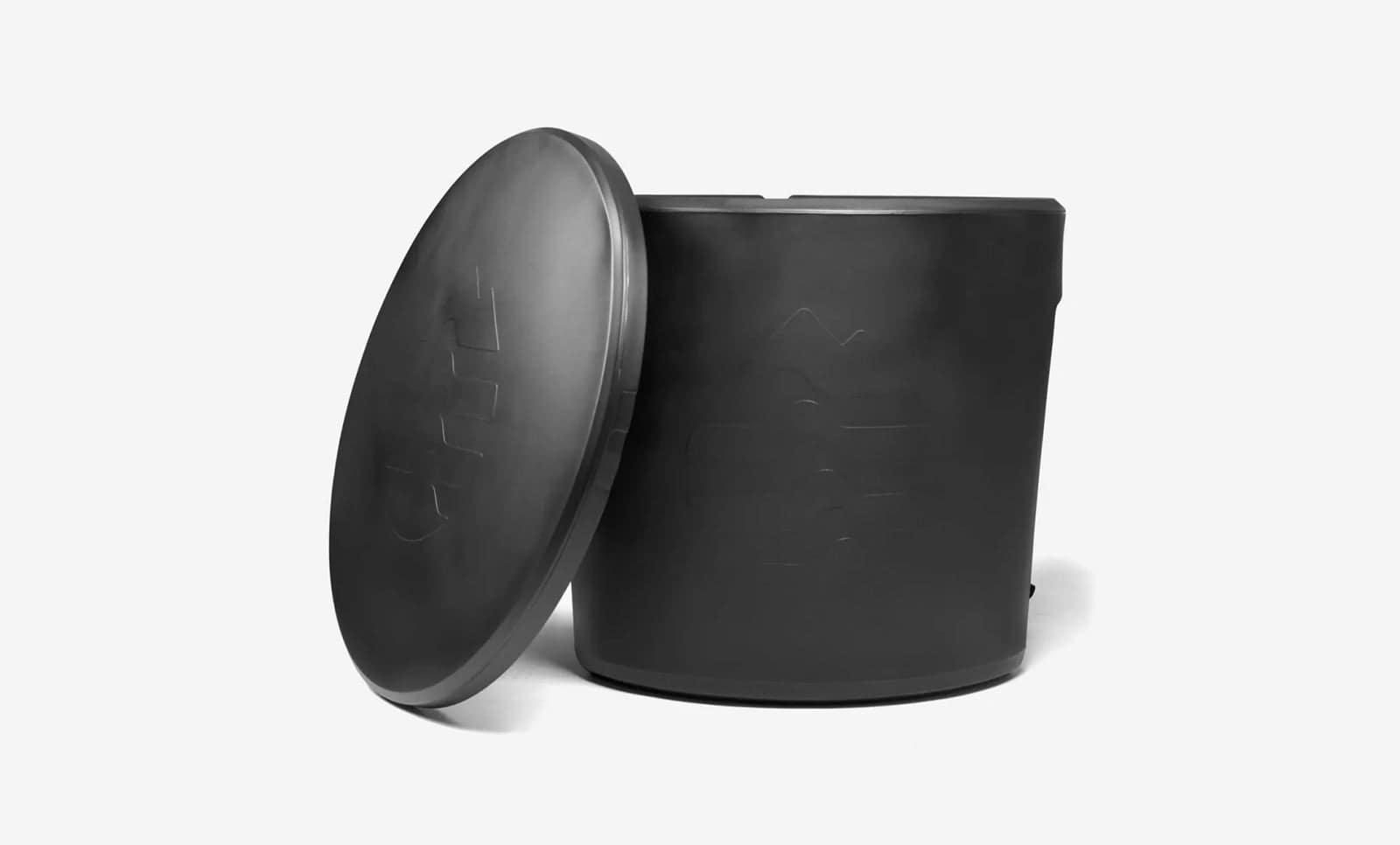
Cold immersion immediately after resistance training appears to dampen the inflammatory signaling that drives muscle adaptation — several trials found smaller strength and size gains when every lifting session ended in an ice bath. The practical rule: if you're training for muscle, keep the plunge a few hours away from lifting, or park it on non-lifting days entirely. Endurance work is less sensitive.
Where cold shines
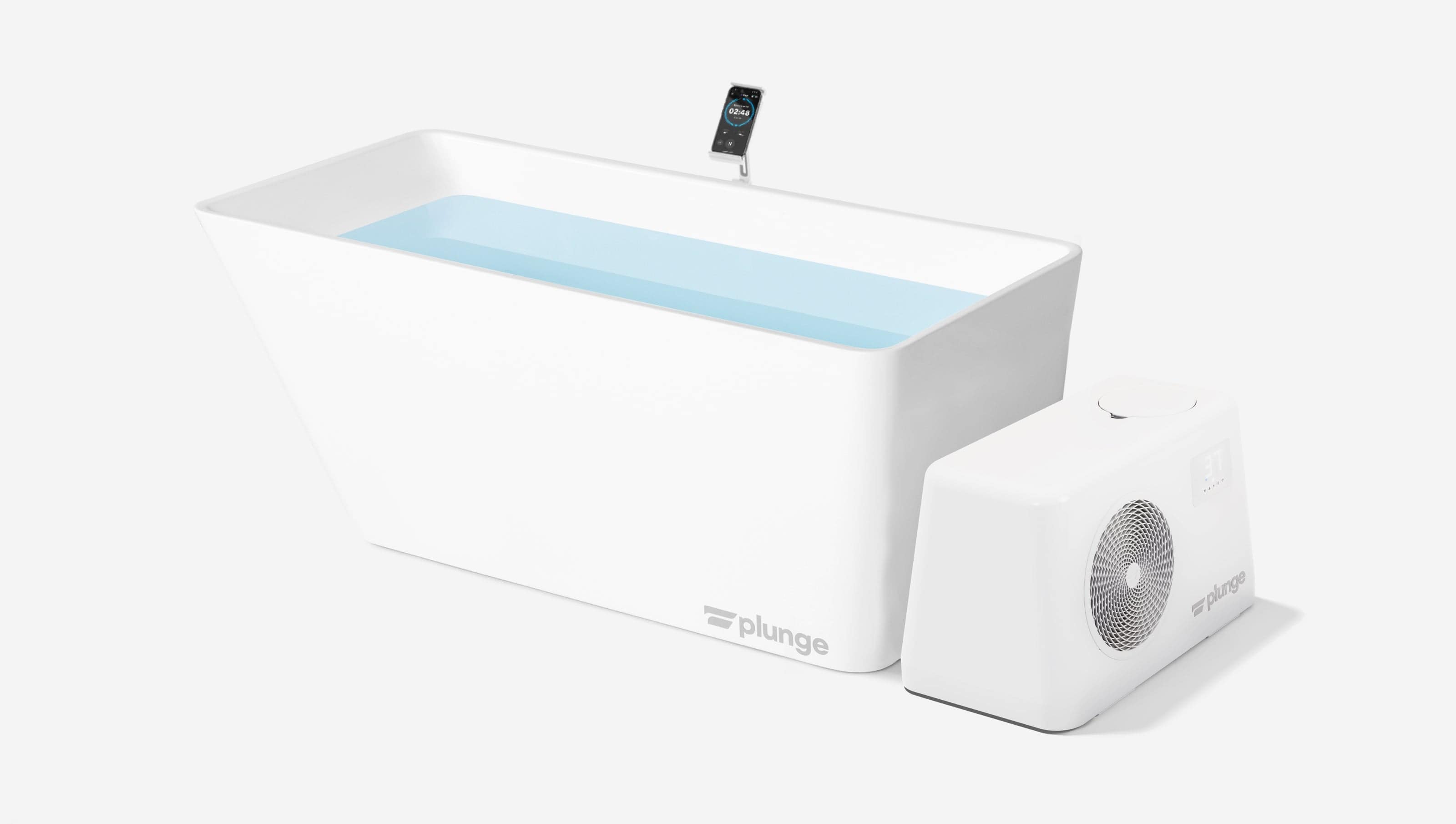
As an alertness and mood tool, cold is superb — brief immersion drives a large catecholamine response that many people use as a morning reset. Between competition bouts, when recovery-by-tonight matters more than adaptation-by-next-month, cooling has a legitimate sports-medicine pedigree. And as the counterpoint in a contrast protocol, brief cold after heat is the classic Nordic cycle the Cell Reports Medicine cohort actually practiced.
A sane weekly slot
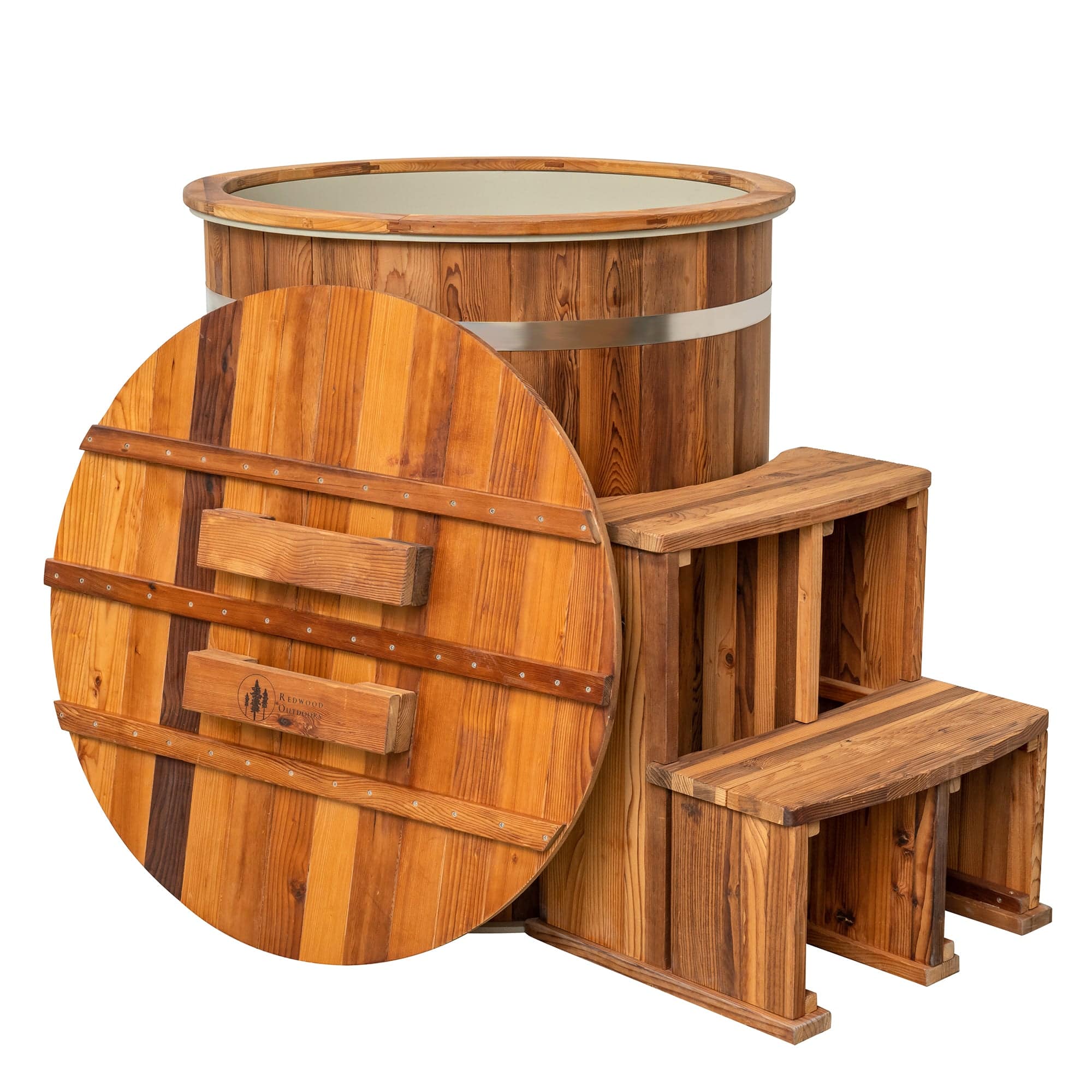
A workable default: contrast sessions (sauna + brief plunges) on evenings or rest days, standalone cold in the morning if you like the wake-up, and a few hours' buffer after any serious strength work. Keep total cold modest — the studied habit was about 11 minutes a week — and always finish contrast rounds based on comfort, not bravado.
Common questions
- Does cold plunging after lifting kill gains?
- 'Kill' is too strong; 'blunt' is fair. Multiple trials found reduced hypertrophy and strength adaptation when cold immersion directly followed resistance training. If muscle gain is a goal, separate lifting and cold by several hours or use different days.
- Is it better to cold plunge in the morning or evening?
- Morning suits most people — the catecholamine surge is energizing and can disrupt sleep if taken too late. Evening cold works fine as the short counterpoint inside a sauna contrast session, where the heat dominates the after-feel.
Sources
- Altered brown fat thermoregulation and enhanced cold-induced thermogenesis in young, healthy, winter-swimming men · Cell Reports Medicine (2021)
- Benefits and risks of sauna bathing · The American Journal of Medicine (2001)
- Clinical Effects of Regular Dry Sauna Bathing: A Systematic Review · Evidence-Based Complementary and Alternative Medicine (2018)
Read next
Recovery & Tracking
Can you wear a WHOOP in the sauna? Yes — briefly. It's rated to 40°C; the sauna runs 90°C
A traditional sauna runs hotter than any wrist tracker is rated for. Here's what actually happens to a WHOOP, Apple Watch, or Oura ring in the heat — to the hardware, and to the readings.
ReadThe Science
Heat-shock proteins, explained like you're smart but busy
Sit in a sauna and your cells think something's gone wrong — in a useful way. They deploy a repair crew called heat-shock proteins, and that stress-then-recover loop is the leading explanation for why heat behaves a little like exercise.
ReadIndoor Saunas
The daily sauna: how Finns made heat a habit, and how you can
There are more saunas than cars in Finland, and almost none of them are destinations — they're just rooms, used the way we use showers. That ordinariness is exactly what two decades of cohort data ended up rewarding.
Read