The Skeptical ReadJuly 20267 min read
Low-EMF, full-spectrum, chromotherapy: an infrared marketing decoder
Infrared sauna pages are a thicket of spectral claims and wellness adjectives. Which specs are load-bearing, which are nice-to-have, and which are just adjectives — sorted.

Infrared saunas are legitimate — gentle-temperature far-infrared protocols have moved real endpoints in clinical trials. But the category's marketing has evolved faster than its evidence, and a first-time buyer faces a wall of near-identical cabins differentiated by increasingly creative vocabulary. This is the decoder we wish we'd had.
Load-bearing specs
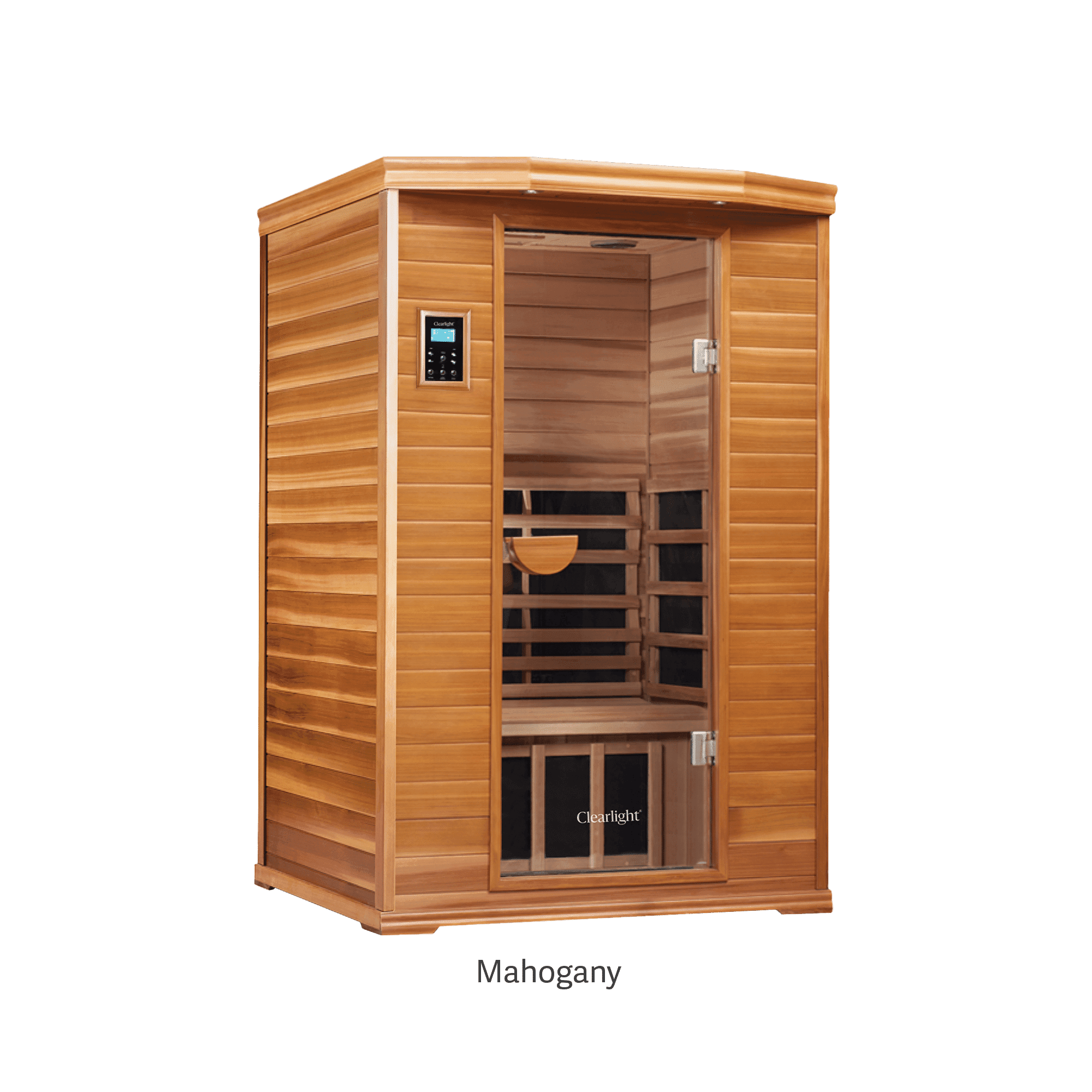
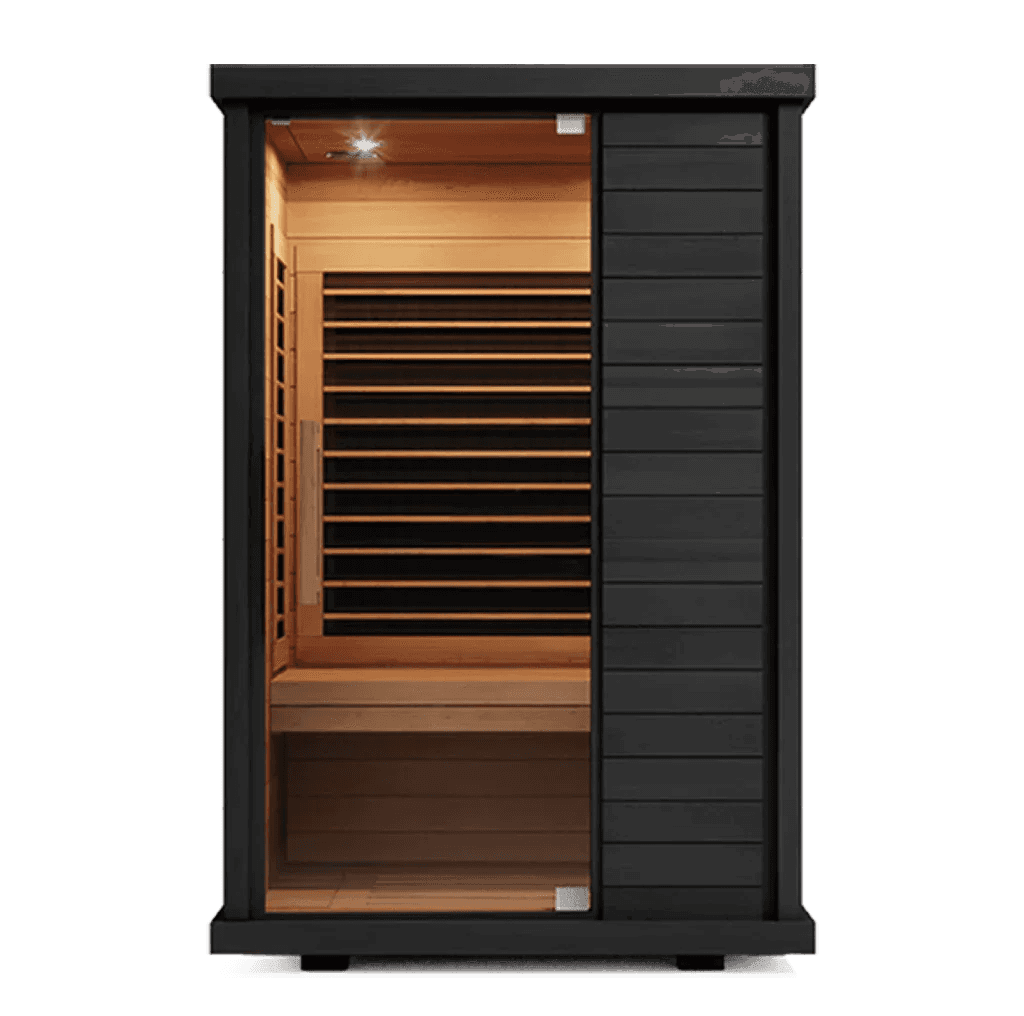
Three things determine whether an infrared cabin delivers a real session. Panel coverage: total emitter area and placement (front-of-body coverage — calf, bench, floor panels — separates good cabins from boxes with two rear heaters). Verified EMF/ELF numbers: 'low-EMF' is meaningful only with a third-party-measured milligauss figure at the bench. And power draw versus your circuit: 120V/15A cabins are plug-anywhere; 20A and 240V units need electrical planning.
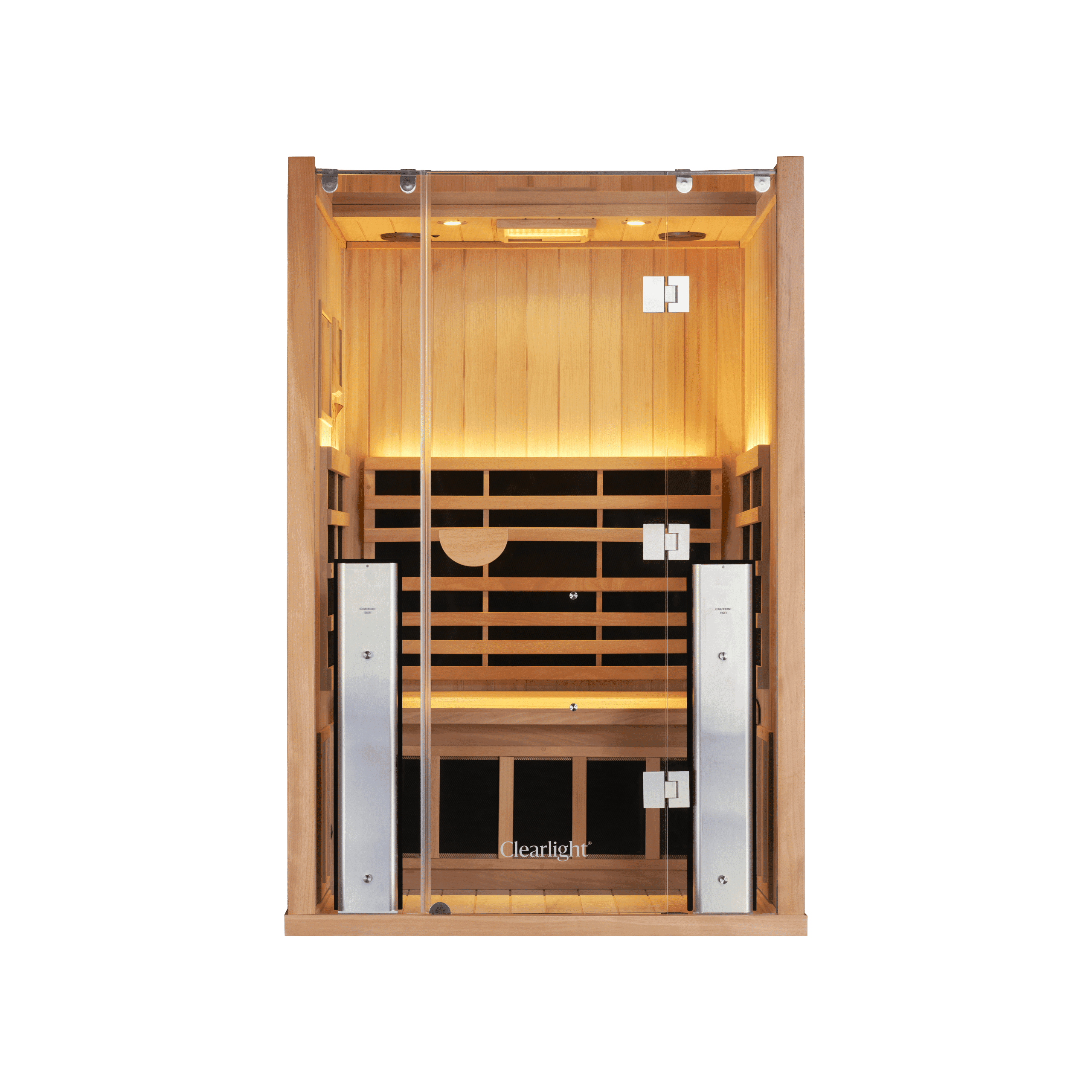
Clearlight Sanctuary 2 Full Spectrum Infrared Sauna
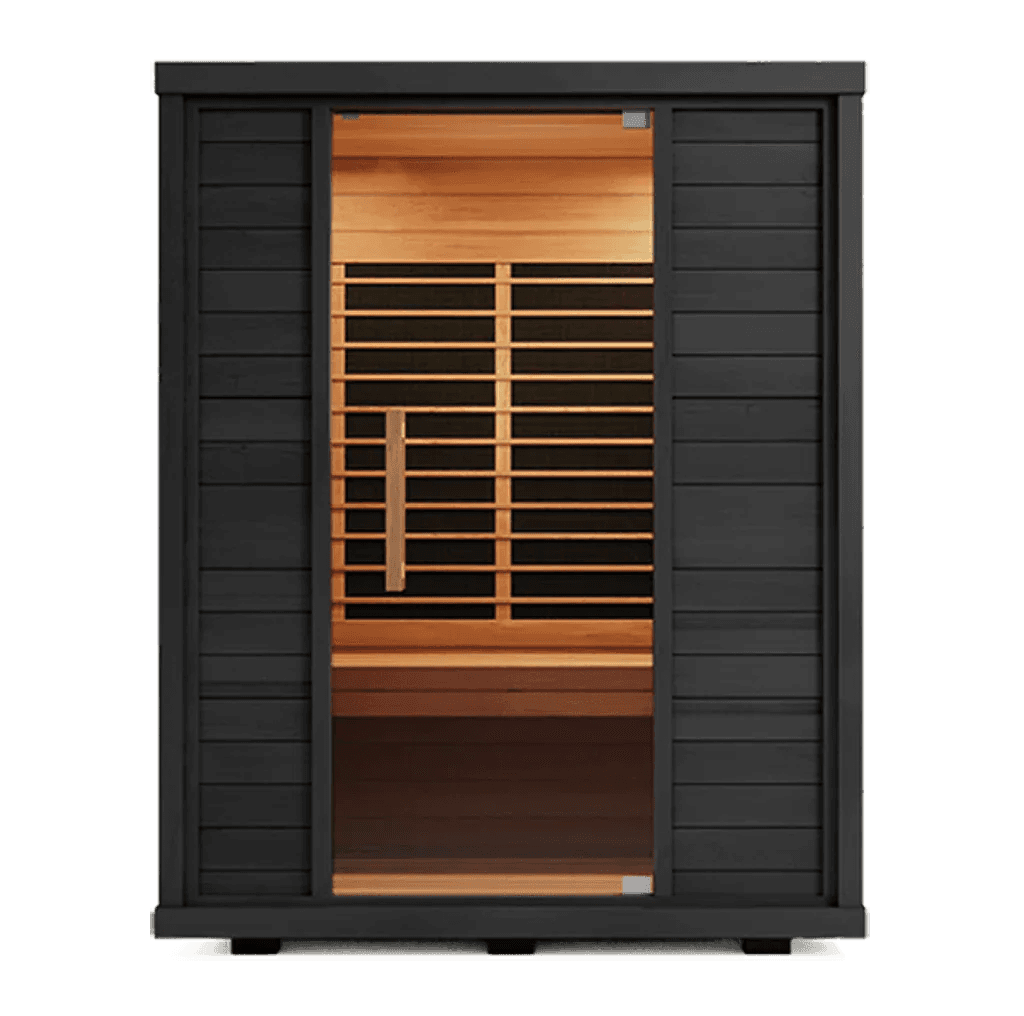
Sun Home Equinox 2-Person Full-Spectrum Infrared Sauna
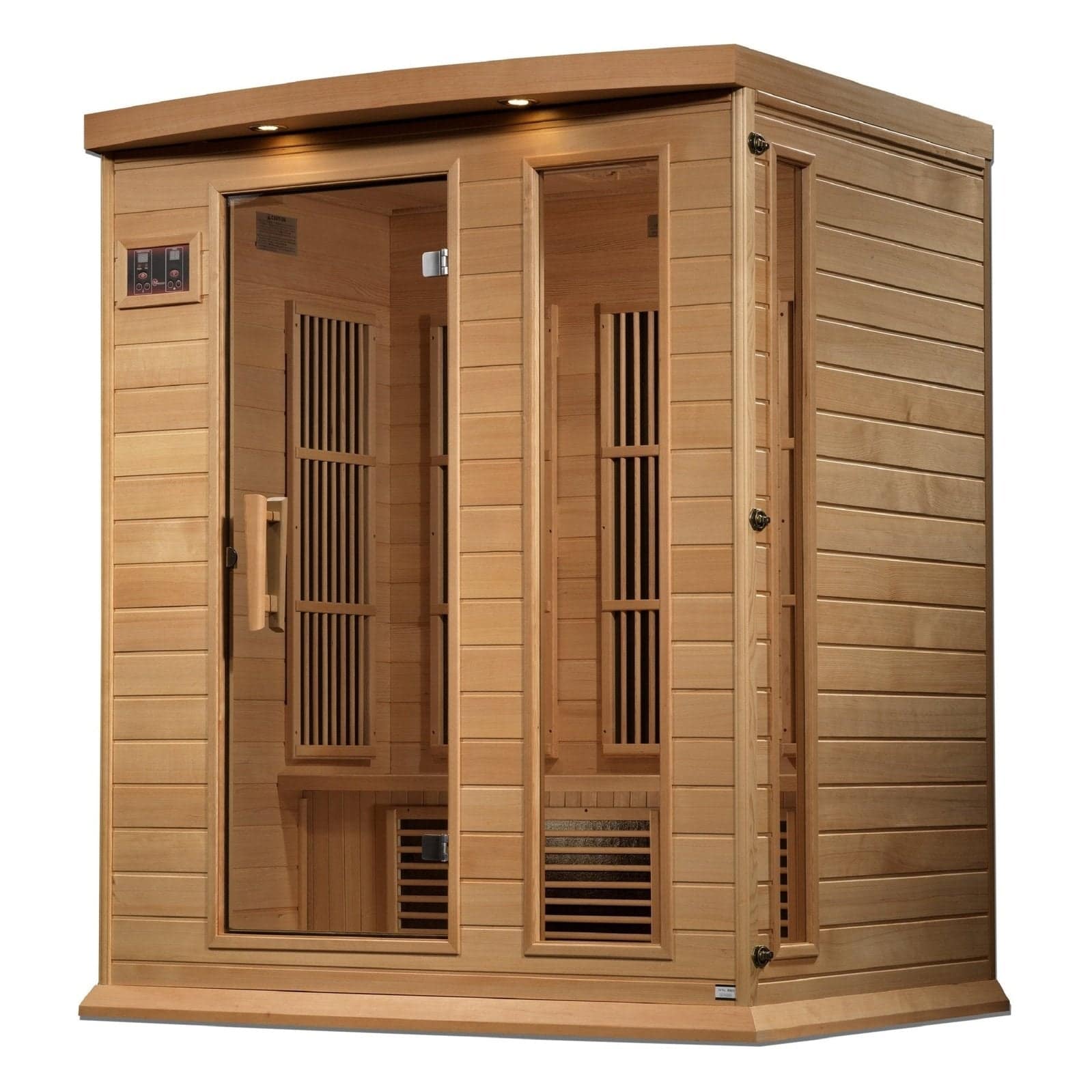
Maxxus 3-Person Near-Zero EMF Far Infrared Sauna MX-K306-01-ZF
Useful but oversold
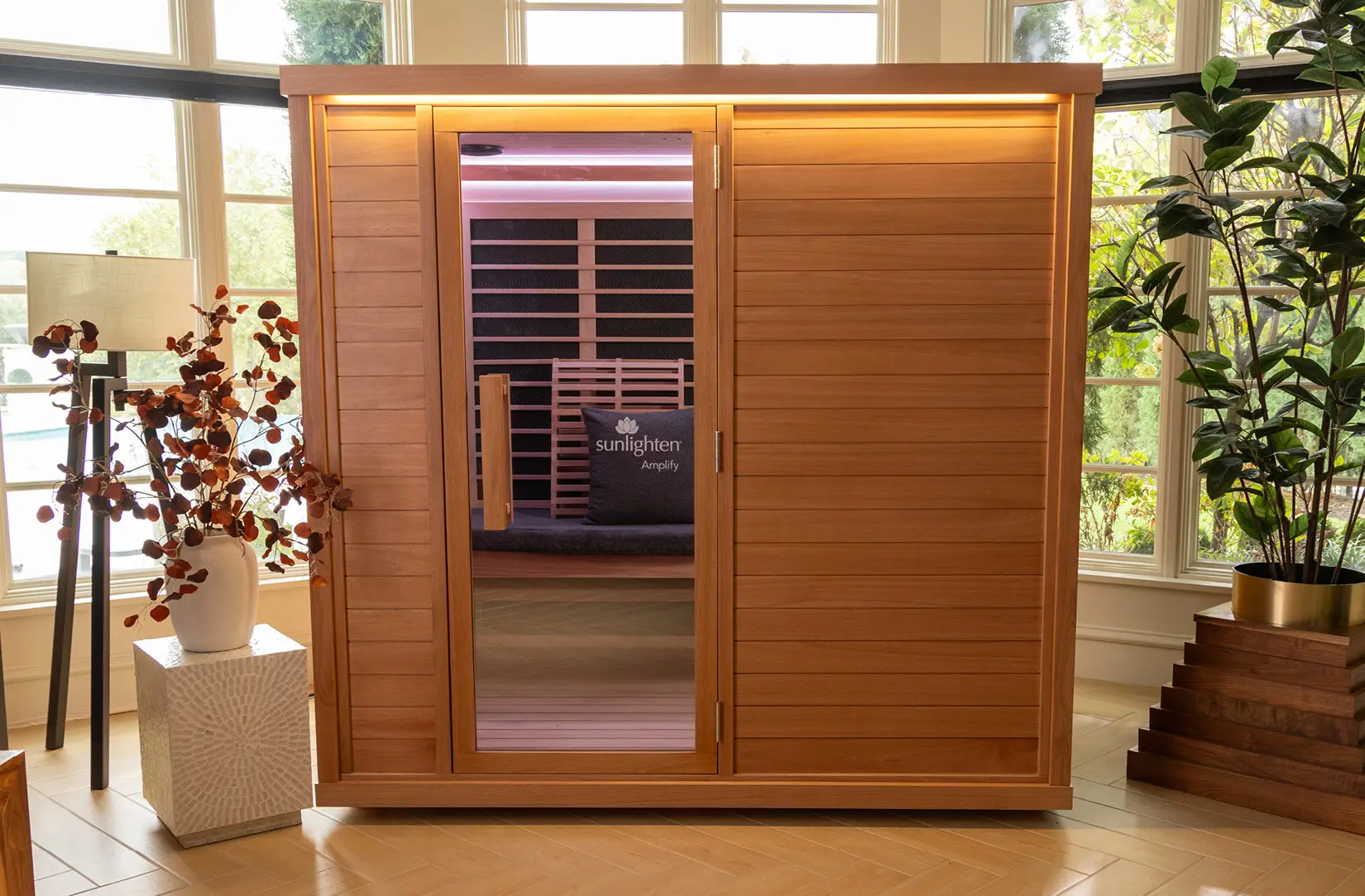
Full-spectrum (adding near/mid-infrared emitters to the far-infrared core) genuinely widens the wavelengths you receive, and near-infrared overlaps with red-light-therapy research — but the deep-sweat workhorse remains far-infrared. Treat full-spectrum as a premium feature, not a requirement. Same for smart controls: programs and apps drive adherence, which is real value, but they heat the same panels.
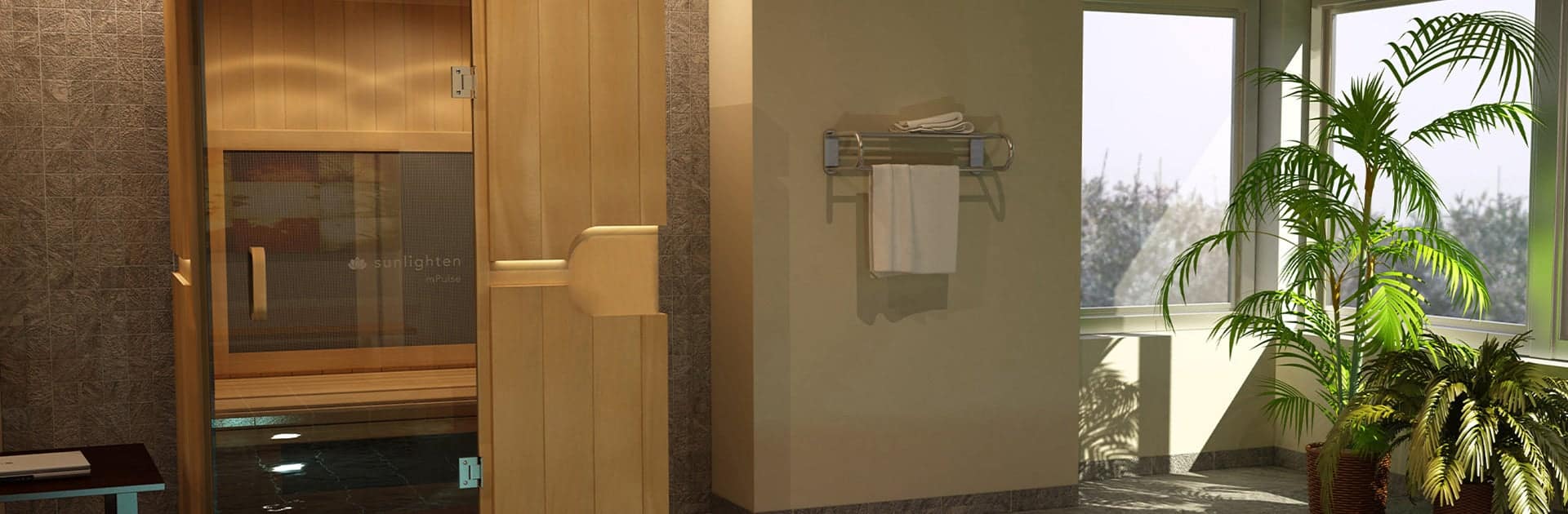
Mostly adjectives
Chromotherapy is colored LED mood lighting — pleasant, evidence-light, and standard on nearly everything anyway. Proprietary heater names, 'detox' claims, and gemstone-infused surfaces belong to the same family: harmless, occasionally lovely, not why you buy. When two cabins differ only in vocabulary, buy the one with more measured panel area and the better warranty.
Common questions
- Does low-EMF actually matter in an infrared sauna?
- There's no strong evidence of harm at the field strengths cabin heaters produce, but if it matters to you, the honest version is a third-party-measured milligauss figure at seating position — several reputable brands publish one. Treat unmeasured 'low-EMF' claims as decoration.
- Is full-spectrum infrared worth the extra money?
- It adds near- and mid-infrared wavelengths, which overlap with red-light research and shallower tissue effects. Nice to have — but the sweat-driving, clinically studied core is far-infrared, so a well-built far-infrared cabin covers the main use case for less.
Sources
- Far-infrared saunas for treatment of cardiovascular risk factors · Canadian Family Physician (2009)
- Waon Therapy for Managing Chronic Heart Failure: Results From a Multicenter Prospective Randomized WAON-CHF Study · Circulation Journal (2016)
- Sauna use as a lifestyle practice to extend healthspan · Experimental Gerontology (2021)
Read next
Sauna Blankets & Portables
Sauna blankets, honestly reviewed: do they work, and which one?
A sauna blanket won't replicate 90°C löyly — but it delivers a genuine sweat for a tenth of the price, and it's the one heat-therapy tool renters can actually own.
ReadHeaters & Stoves
What does a sauna actually cost to run? The real per-session math
Most people wildly overestimate what a sauna costs to run. Here's the actual formula, worked through for electric, infrared, and wood-fired — with real numbers.
ReadSauna Blankets & Portables
The renter's heat stack: blanket, tent, or steam kit?
Every portable format is a compromise; the trick is choosing the compromise that matches your floor plan. The blanket disappears under a bed, the tent feels most like a sauna, and the steam kit is the only one that does humidity.
Read